
An independent group of judges selected the winners based on message, creativity, results, call to action or brand connection, and overall impression. We honored the winners at a special awards session at the E Source Forum 2026.
Affordability and equity
First place: Ameren Illinois
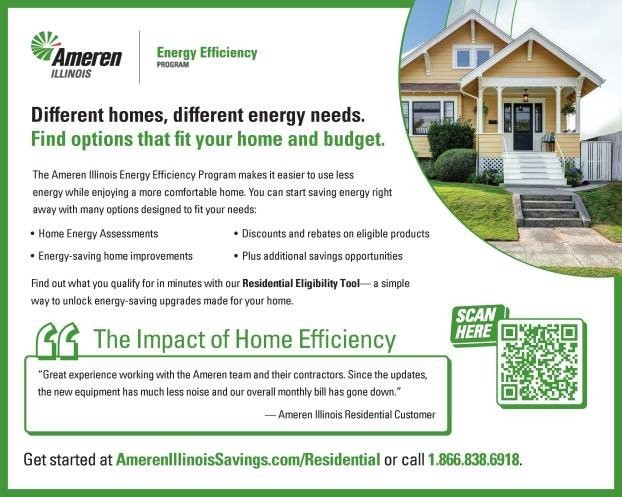
Strategy. Ameren Illinois created the Summer Energy Relief Program in April 2026 to help customers respond proactively to the June 2026 energy price increase. The program’s goal was to give customers resources and options to help them save energy and money.
The campaign used two customer-centric slogans in its messaging:
- “Different homes, different energy needs. Find options that fit your home and budget.”
- “Energy savings made for your home. Discover what’s possible.”
These slogans expressed the campaign’s goal of helping customers find ways to reduce energy use, save money, and improve comfort that were the best and easiest for them.
Implementation. The campaign focused on all residential customers in the utility’s service territory and introduced them to available energy efficiency (EE) offerings by using:
- Direct mail
- Bill messages
- TV
- Radio
- Social media
Ameren Illinois also helped customers find what best suited their needs by packaging EE offerings into a simple suite. The campaign’s main call to action directed customers to the Residential Eligibility Tool for conversion.
Measurement. Ameren Illinois saw an increase in submissions through the Residential Eligibility Tool, totaling 4,595 submissions. The utility also saw a large increase in website traffic and program participation. Customer response to increasing rates was also more positive than it had been in 2025.
Summer Energy Relief Program
Brand and sustainability
First place: Dominion Energy
Strategy. The campaign campaign’s goal was to shift customers’ mindsets from feeling powerless to in control, increase participation in energy-saving assistance programs, and create a single simple path to personalized savings.
Implementation. For its marketing, the campaign used a lighthearted, humorous approach and a recurring cast of relatable neighbors that customers could identify with, making the advice they shared approachable, memorable, and actionable. It also helped customers feel that getting the support they need is possible. Dominion Energy introduced its Energy Savings Finder tool to help customers find personalized opportunities to save energy and lower their costs.
Measurement. Dominion Energy saw a 32% year-over-year increase in EE program participation. Brand lift study results also showed a gain of 5.6 points in affordability message awareness. The Energy Savings Finder and Energy Savings programs generated over 1 million clicks, and the campaign produced 160 million impressions and 6.69 million social media engagements.
Your Neighbors Know
Second place: FortisBC
Strategy. FortisBC sought to raise public awareness about its role as British Columbia’s largest energy provider offering options beyond only natural gas. Human-centered storytelling was the driving force behind the campaign as it addressed customers’ values, concerns, and aspirations. The campaign’s goal was to build trust, improve brand and customer satisfaction, and raise awareness of and participation in the utility’s offerings.
Implementation. The campaign focused on emotional resonance and simplicity. Visuals highlighted real people, places and projects across British Columbia. Messaging avoided jargon and focused on what matters most to customers: safety, affordability, reliability, and long-term planning. In 2026, the campaign introduced more narrative-driven storytelling, sharing how FortisBC invests in local communities and initiatives through short, accessible stories. The campaign also used a multilingual approach.
Measurement. The campaign resulted in FortisBC’s highest corporate health scores in its history. Customers reported a clearer understanding of FortisBC’s long-term plans, community investments, and commitment to safety and reliability. FortisBC used customer segmentation to define four core audience groups to focus on:
- Believers (informed and supportive of FortisBC’s lower carbon energy efforts)
- Muddy Middles (open-minded but uncertain, with potential to shift perception)
- Disbelievers (skeptical and low trust, requiring long-term engagement)
- Unacquainted (low awareness and limited engagement with energy topics)
The results of the campaign showed the following:
- The Believers segment grew to 37% of the population, up from 23% in 2020
- The Disbelievers segment declined from 23% to 14%
- The Unacquainted segment dropped from 36% to 26%
- 84% of Believers were aware of at least one FortisBC sustainability initiative
Corporate positioning—Energy for a Better BC
Energy efficiency and management
First place: Public Service Electric & Gas Co.
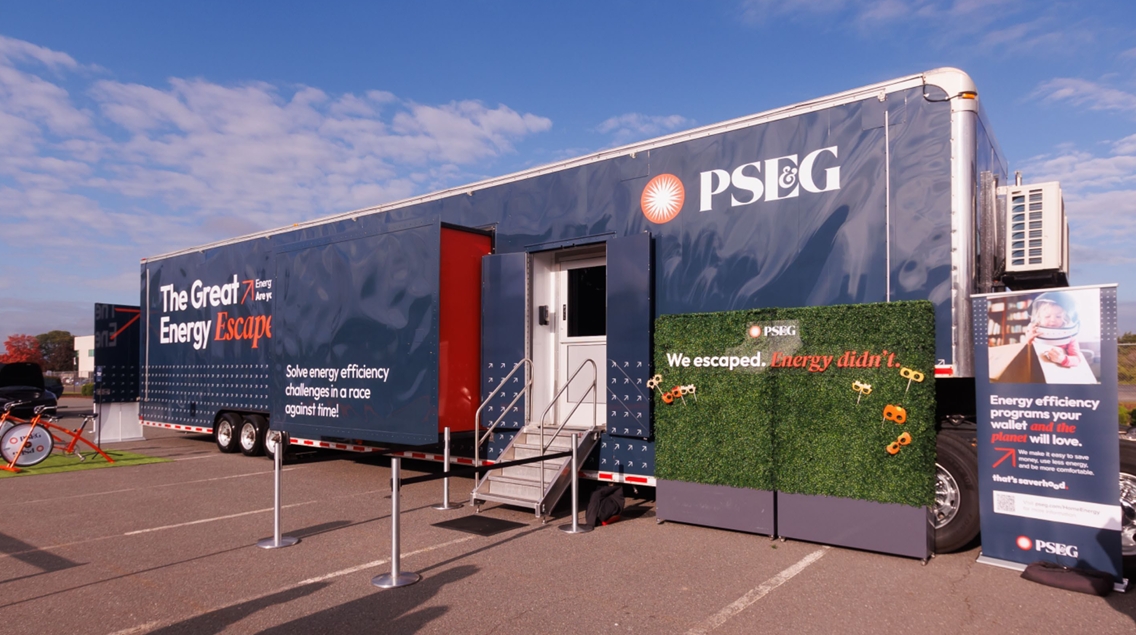
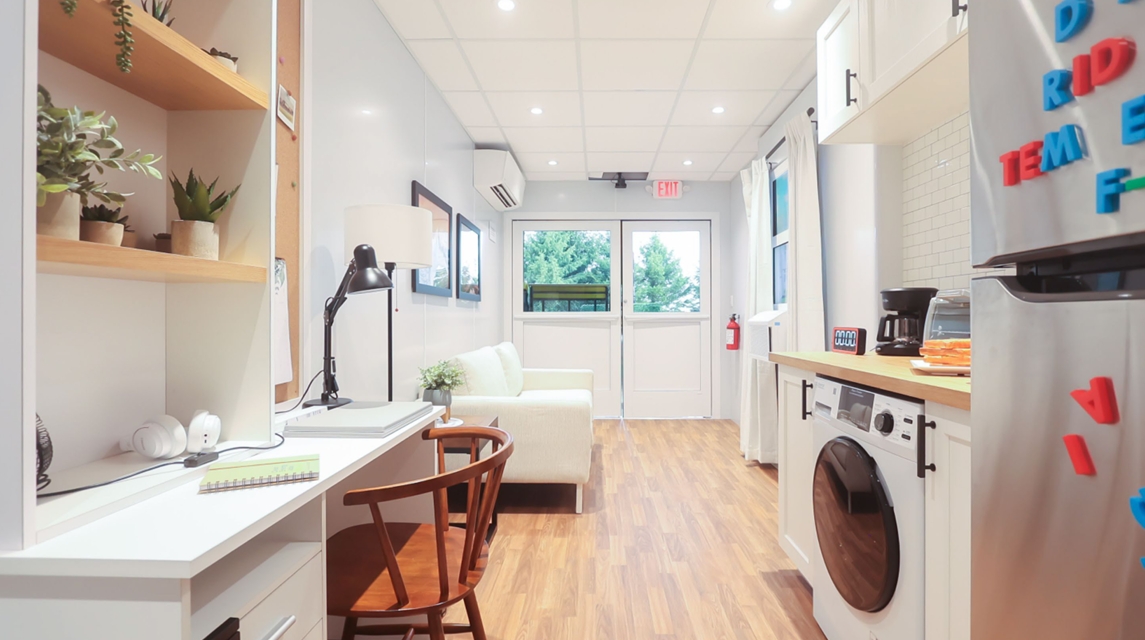
Strategy. To stand out to customers at events, Public Service Electric & Gas Co.’s (PSE&G) campaign went beyond traditional outreach to provide customers with a mobile escape room. The mobile escape room transformed the utility’s EE education into an immersive, hands-on experience to engage customers at community events, street fairs, and festivals. Through teamwork, problem-solving, and gameplay, customers learned about energy-saving solutions and PSE&G’s programs in a fun, unique way.
Implementation. The campaign used a mobile, 53-foot trailer with 13 energy-themed puzzles for small groups of participants to solve in 15 minutes. Participants received a gameplay booklet they could take home with energy-saving tips and information about PSE&G’s programs. Outside of the trailer were more energy-focused interactive activities, and on-site brand ambassadors were present to answer questions, enroll attendees in energy efficiency programs, and provide education.
Measurement. During the campaign, the escape room had 1,248 participants across 12 residential events for an average engagement rate of 48%. It also resulted in 138 direct sign-ups for home energy assessments. Participants rated the campaign highly, with an average rating of 4.87 out of 5. Ninety-seven percent of participants reported learning something new about EE, and 90% said they planned to implement energy-saving strategies at home. Feedback from customers highlighted how memorable, fun, and educational the experience was.
The Great Energy Escape

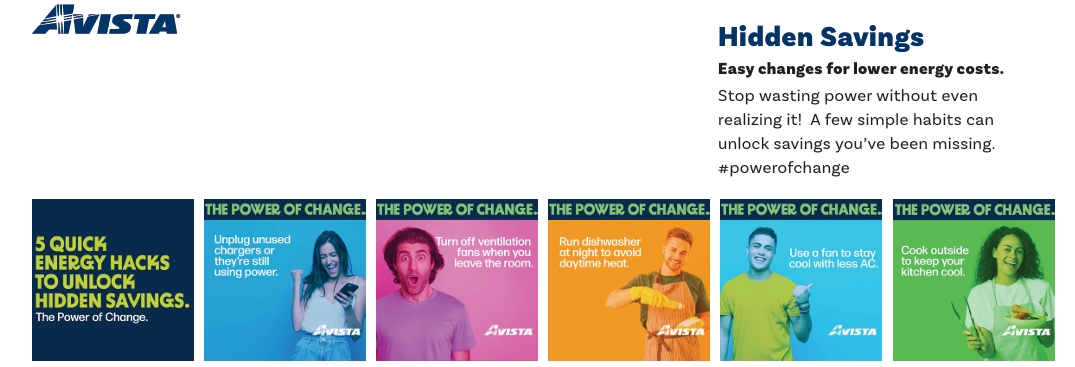
Second place: Avista Corp.
Strategy. The goal of the campaign was to inspire more customers to take advantage of energy-saving opportunities. The campaign centered on the idea of creating content people would choose to watch rather than using technical information people tend to ignore. The campaign aimed to reach people online where they’re actively engaged.
Implementation. The campaign used distinct creative approaches for different audiences. Residential ads leaned into relatable, exaggerated home scenarios to connect efficiency to comfort and cost savings. Business ads shifted tone, focusing on operational improvements, upgrades, and available rebates relevant to decision-makers. The campaign ran across multiple media channels including YouTube, TikTok, paid social, and LinkedIn. It also included high-visibility community and sponsorship placements at events, including:
- The Olympics
- NFL
- March Madness
Ad content changed every six weeks to help the campaign stay relevant. All ads directed customers to the campaign landing page, where they could explore rebates and next steps tailored to their needs.
Measurement. The campaign generated the following:
- 9 million impressions
- 328,737 clicks
- 333,757 web page visits
The campaign’s landing page ranked among the most-visited pages on myavista.com. The campaign also influenced customer energy savings behavior. During the campaign, energy savings exceeded goals in Washington and Idaho, with savings reaching 119%–169% and 131%–159% of natural gas goals.
Power of Change
Demand response
First place: Duke Energy
Strategy. Summer in Florida is a period of high energy use. The campaign aimed to tailor communications about Duke Energy’s demand response (DR) program clearly and to give customers a simple way to manage energy demand while earning bill credits. To do this, the utility created a memorable campaign that mixed Floridian nostalgia with a simplified message highlighting the ease of enrollment in the DR program and its benefits.
Implementation. The omnichannel campaign imagery featured Domingo the Flamingo and included promo mailers with drink koozies and magnets, newsletters with a Domingo Q&A, illustrated postcards, and a video on the EnergyWise Home landing page. The campaign also used a memorable slogan: “You’re FloridaWise, now, be EnergyWise.”
Measurement. The FloridaWise summer campaign contributed to 74% of EnergyWise Home’s annual enrollment, surpassing the prior year’s goal by 33%. The web page garnered 118,000 views (a 161% increase from usual) and 190,885 engagement clicks (a 101% increase from usual). Marketing leads also rose by 155.8% to 32,457. The campaign’s YouTube video had 27,000 views. The campaign resulted in 1,861 device installs and 3,573 kilowatts (kW) saved during winter and 2,512 kW saved during summer.
FloridaWise—EnergyWise® Home Campaign
Second place: Independent Electricity System Operator
Strategy. The campaign addressed the challenge of making the Peak Perks DR program easy to understand, credible, and worth acting on. Instead of relying on traditional messaging, Independent Electricity System Operator (IESO) partnered with trusted creators in Ontario to communicate about the program simply, clearly, and in a way that fits into customers’ everyday life.
Implementation. IESO chose several influencers, and each influencer created and shared an Instagram video in a style that felt natural to their feed and audience and helped the campaign reach different audience mindsets while keeping the core message consistent. The campaign’s content mix included:
- Simple enrollment and setup walkthroughs
- Day-in-the-life storytelling
- Posts addressing common questions and misconceptions
- Practical explanations of how Peak Perks works and why it’s worth joining
Measurement. The campaign produced 774,000 impressions, 38,000 clicks, and 367,300 total page engagements. The videos garnered 38,000 views. The campaign showed that creators with trusted voices and practical, easy-to-follow content can be highly effective.
Peak Perks Influencer Campaign
Mobility and EVs
First place: ComEd
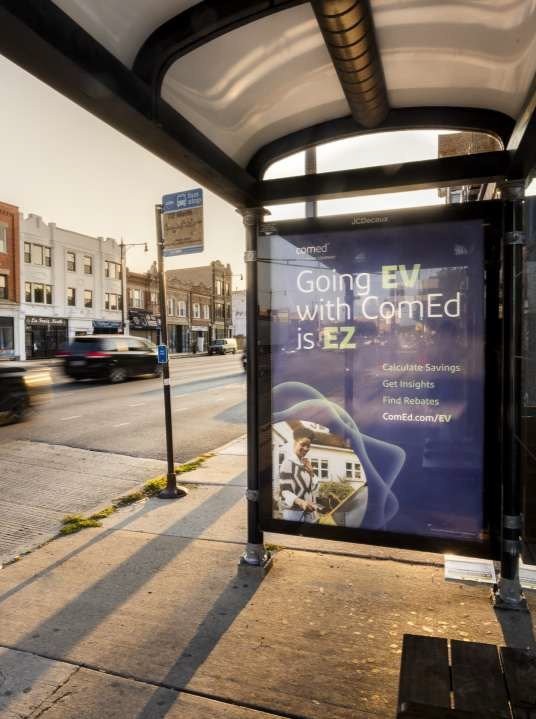
Strategy. ComEd’s Beneficial Electrification (BE) “Station Domination” initiative took an innovative approach to positioning ComEd as a trusted EV adviser while increasing EV awareness. Central to the campaign was a bespoke experience tailored to the Chicago commuter mindset, meeting customers during daily routines with relevant, accessible messaging
Implementation. Recognizing that many customers are curious about EVs but unsure where to begin, ComEd transformed Chicago’s Union and Ogilvie Stations into educational environments. Using the message “Going EV with ComEd is EZ,” the campaign reinforced that EV adoption can be simple with ComEd’s support, introducing customers to practical tools, resources, and rebates to explore at their own pace. The campaign reached a large concentration of Chicago commuters and professionals with digital screens, stair risers, banners, and platforms.
Measurement. The campaign reached over 140,000 daily riders and generated over 9.6 million impressions, delivering 32% more impressions than the utility had projected. One month after launch, traffic to comed.com/EV increased 36% to over 20,561 visits and drove 21% new visitors. The campaign helped support a seven-time increase in customer rebates from the year prior, totaling $148 million.
BE—Station Domination
Second place: Evergy
Strategy. Behind the Wheel began in 2025 to drive participation in Evergy’s EV charging rebate programs for commercial customers across Kansas and Missouri. In its second year, the campaign targeted commercial customers who are evaluating EV infrastructure but need clearer financial, operational, and technical guidance. Behind the Wheel was a hands-on event at a NASCAR track to help commercial customers understand the real-world benefits of fleet electrification and to connect them with Evergy’s solutions, including EV charging rebates and Kansas fleet advisory services. All marketing efforts directed customers to a centralized RSVP web page to create a streamlined path from interest to action.
Implementation. Evergy used targeted multichannel marketing for its campaign. The utility used email, ads on Meta and LinkedIn, and direct outreach from customer solutions managers to invite customers to the event. On the day of the event, customers rotated through four activity stations where they experienced:
- A vendor garage with a chance to speak with industry experts
- On-track EV fleet ride-alongs
- Real-world fleet applications with electric school buses and police cars
- An information station for education on charging rebates and fleet advisory services
Measurement. The event delivered record event interest, with a total of 190 RSVPs, a 14% increase in RSVPs from the prior year. A total of 105 different businesses registered. RSVP emails for the event exceeded Evergy commercial benchmarks for open and click-through rates, and there were 970 paid social leads. The event was also well-received by customers who enjoyed the immersive experience the event provided.
Behind the Wheel
Safety, emergencies, and outages
First place: Newfoundland Power
Strategy. The campaign addressed a critical safety gap: While people were aware of electrical hazards, they often couldn’t recall safety actions in real-life situations where quick decisions matter. The campaign’s purpose was to influence real-time behavior by helping customers easily remember safety guidance. The campaign used a memory-first approach to safety communication, focusing on recall rather than awareness. The campaign focused on simplicity and behavioral science principles, using music, rhythm, and repetition to improve customer recall and help them remember to keep their distance from electrical hazards. This replaced complex messaging with a single, repeatable idea, and shifted tone from traditional fear-based messaging to a more positive, community-based approach.
Implementation. The campaign featured four music-led video spots focused on key risk scenarios: downed power lines, substations, tree cutting near lines, and underground wires. These were adapted across television, radio, and digital platforms, with radio playing a key role in reinforcing the jingle through repeated audio exposure. Each piece consistently used the same message, melody, and tone to drive memorability.
Measurement. The campaign gained over 10.5 million impressions, with over 5 million coming from TV and 3 million from digital. The videos had over 348,000 views and a 73.4% completion rate. The campaign also had over 2,000 social engagements and reached 371,000 unique social accounts. The videos had a particularly strong view-through rate of 9.1%.
Mind the Line
Second place: PG&E
Strategy. PG&E’s campaign helped customers prepare for wildfires and to feel capable rather than fearful. PG&E wanted to make key safety steps feel simple, memorable, and achievable and to deliver this message to customers before an emergency. PG&E worked with Prove It Media to develop a digitally-focused animated campaign that kept the tone calm and reassuring to replace fear and urgency with clarity. The campaign delivered safety steps through a rhyme-based structure, making them easy to follow and recall under stress and showed families practicing these steps. PG&E also wanted customers to view it as a trusted source of safety and preparedness information.
Implementation. The campaign ran exclusively on digital channels—over-the-top media service (including YouTube TV), social, and online audio—enabling precise targeting in high fire-risk zip codes while also reaching broader audiences to encourage pre-emergency preparedness. PG&E intentionally divided the media so 50% focused on communities with a high fire risk where evacuation readiness was most critical and 50% focused on customers in the utility’s broader service area.
Measurement. Premarket testing was positive, revealing the following:
- 81% of customers found the campaign relevant
- 57% of customers felt better informed after watching the video
- 62% of customers said the video made them feel more prepared for emergencies
- 74% of customers said it made them feel PG&E cares about their safety
In-market results revealed the video achieved an 81% completion rate against an industry benchmark of 60%–70%.
Evacuation
Self-service
First place: Enbridge Gas
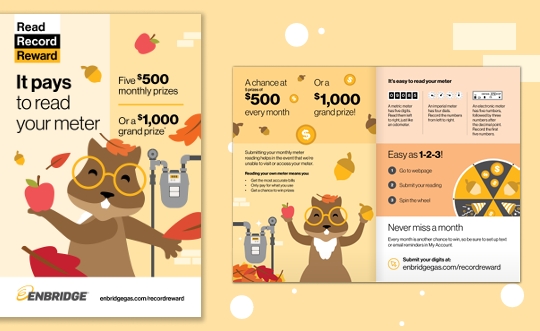
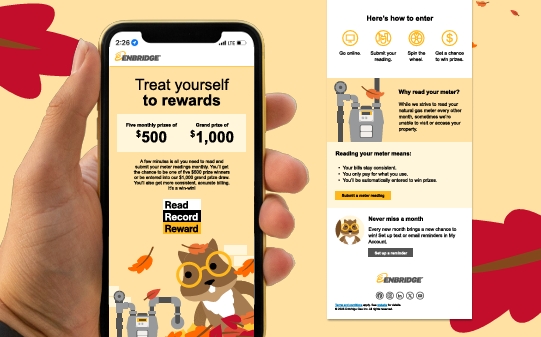
Strategy. Enbridge Gas meter readers visit customers monthly to determine usage. If the area around a meter is inaccessible, a customer’s bill is based on estimated gas usage. Customers can make sure their bill is accurate by entering their own meter readings online, so the utility created a monthly meter reading contest to incentivize customers to do so. Each submission unlocked an animated prize wheel, giving customers a chance to win one of five monthly prizes of $500 or a grand prize of $1,000. Along with making sure customers receive a more accurate bill, the contest helped teach customers how to read their own natural gas meter.
Implementation. Campaign material used a mascot, Merle the Squirrel, to make the campaign memorable and keep customers engaged. The campaign also used the easy to recall slogan “Read, Record, Reward.” Enbridge used a variety of communication channels, including:
- Google (Performance Max, Responsive Search and Demand Gen)
- Meta (static, carousel and video)
- eBlasts
- Direct mail
- A dedicated landing page
Measurement. The 2025 campaign was a success. Compared to 2024, the 2025 campaign saw the following results:
- Page views increased 84.2% year-over-year, rising from 426,986 to 786,689
- Conversions increased 76.8%, from 159,952 to 282,837
- Engagement rate increased from 76.91% to 80.73%
Other results from the 2025 campaign included:
- Over 15 million impressions
- 1,649,286 meter reading submissions
- 2,970,830 reach
- 787,283 link clicks
- 392,243 users attracted to the landing page
Read, Record, Reward
Second place: BGE
Strategy. The campaign had a simple premise: translate abstract digital tools into relatable, real-world insights. BGE partnered with trusted creators to move from marketing-led communication to creator-led education, focusing on video-first execution and bilingual reach.
Implementation. Rather than tell people how to use BGE’s energy management tools, the campaign showed them how the tools fit into their everyday lives. For the campaign, BGE partnered with two creators: a renovation expert and a lifestyle radio host. Through platform-native Instagram reels, stories, and Facebook posts, creators demonstrated the tools. They used What Uses Most, View My Usage, and High Usage Alerts to diagnose their own energy spikes in real-time. The radio host, a bilingual Spanish speaker, helped reach BGE’s Spanish-speaking customers. The content the creators developed was educational and also watchable, with the renovation expert’s Instagram post going viral.
Measurement. The campaign resulted in 10,625,864 total impressions, exceeding the original goal by 369%. It also generated over 17,000 clicks. The campaign’s engagement rate was just over 6% against a benchmark of 3%. Customer sentiment for the campaign reached 93%.
2025 My Account Influencer Campaign
Browse more on related topics
About the author